Tour Overview
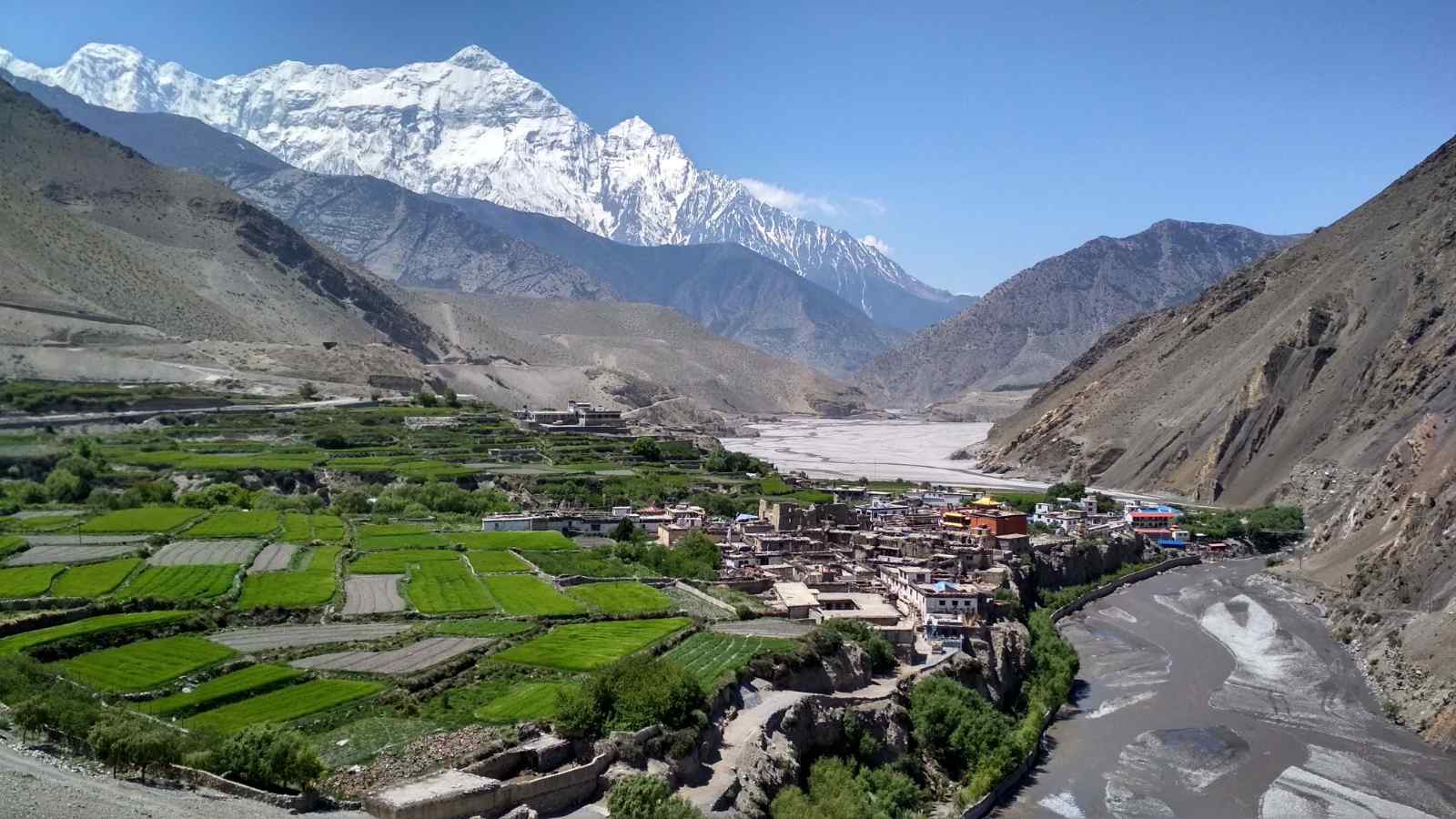
The Nar Phu valleys are two different yet close valleys located in the Manaslu and Annapurna regions of Nepal. These beautiful, untouched villages are primarily inhabited by Khampas and have their customs, traditions, and identity. Nar and Phu valleys are close to each other and are historically and culturally linked, due to which they are often referred to as the Nar Phu valley.
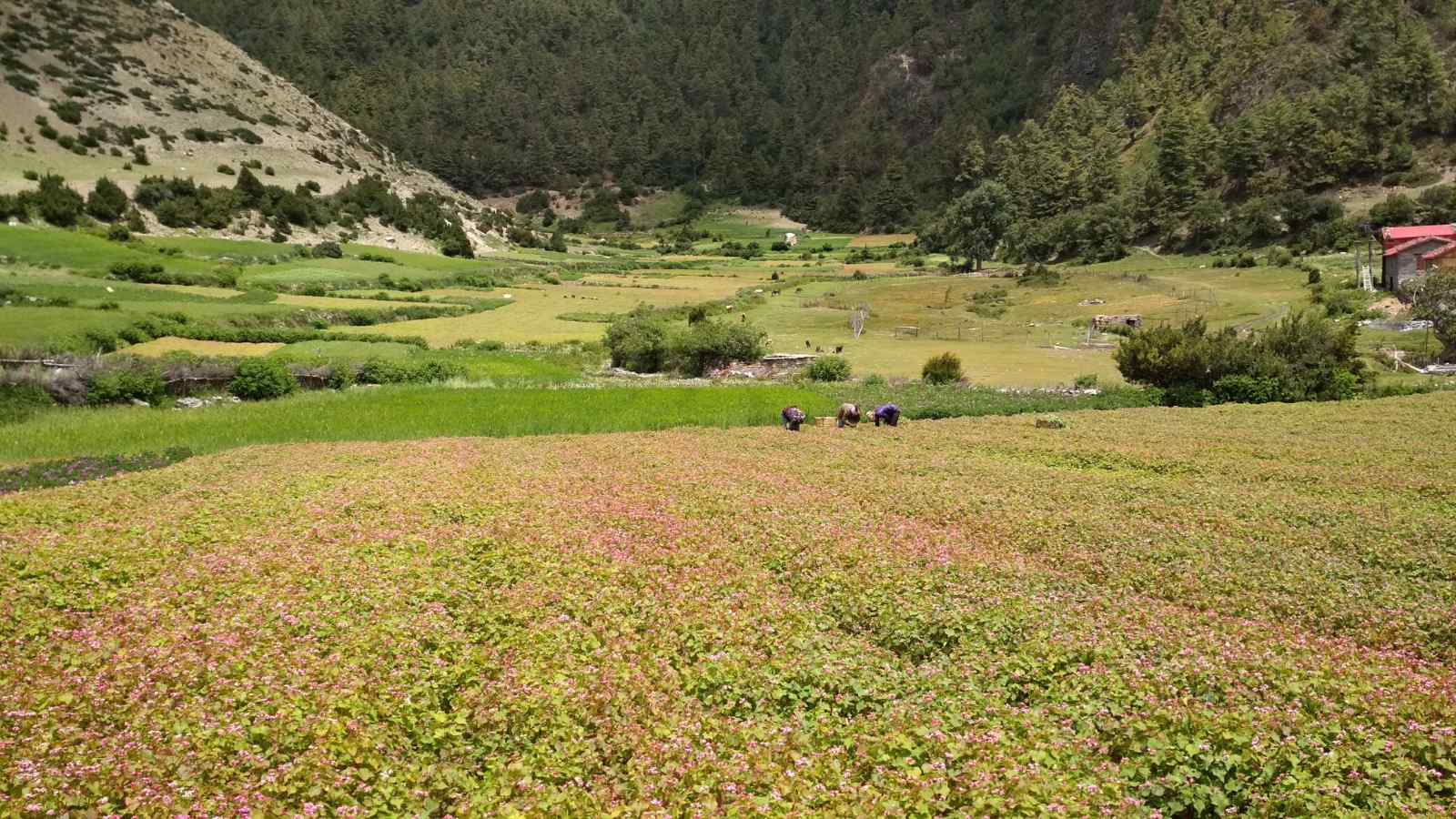
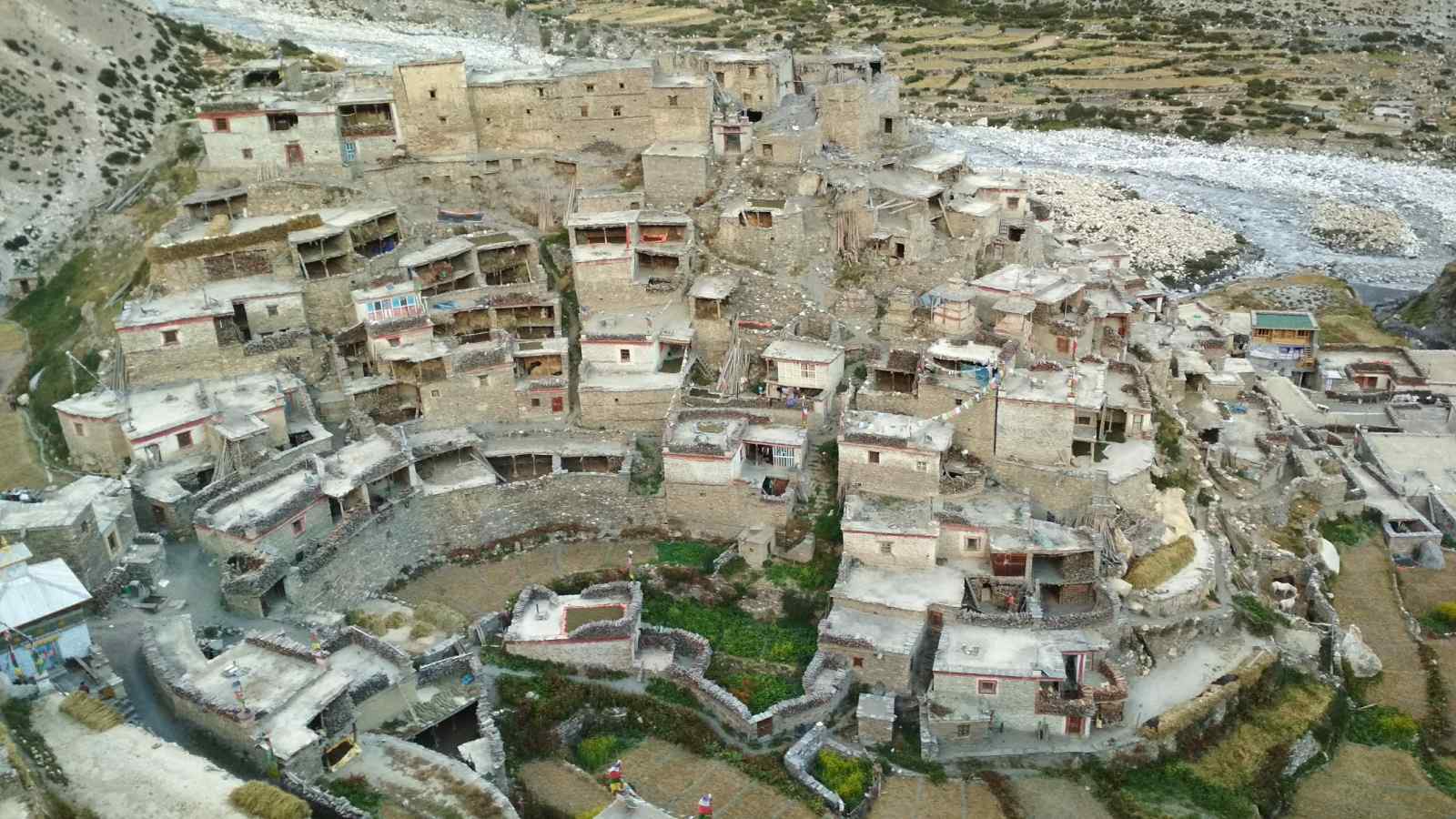
While the Phu valley is located at an altitude of 4,080m in the northernmost part of Manang district, Nar lies south of Phu at an altitude of 4,110m. The Phu village is known for Tibetan influence, architecture, stone houses, and ancient monasteries such as Tashi Lakhang Gumba. Meanwhile, Nar village is popular for agriculture, fields, livestock, and Nar Gumba (Monastery). Nar valley offers a mystical view of majestic Kangaru Himal, located at an altitude of 6,981m.
The Nar Phu valley was opened for tourists after 2003 and is a relatively less-travelled trek in the Annapurna region of Nepal. Trekking the Nar and Phu valley requires special permits such as Restricted Area Permit (RAP) and Annapurna Conservation Area Permit (ACAP), as it is located in a restricted zone and the Annapurna region. Nar Phu valley leads you through remote, rugged, and wild beauty with a blend of Tibetan culture and spiritual heritage.
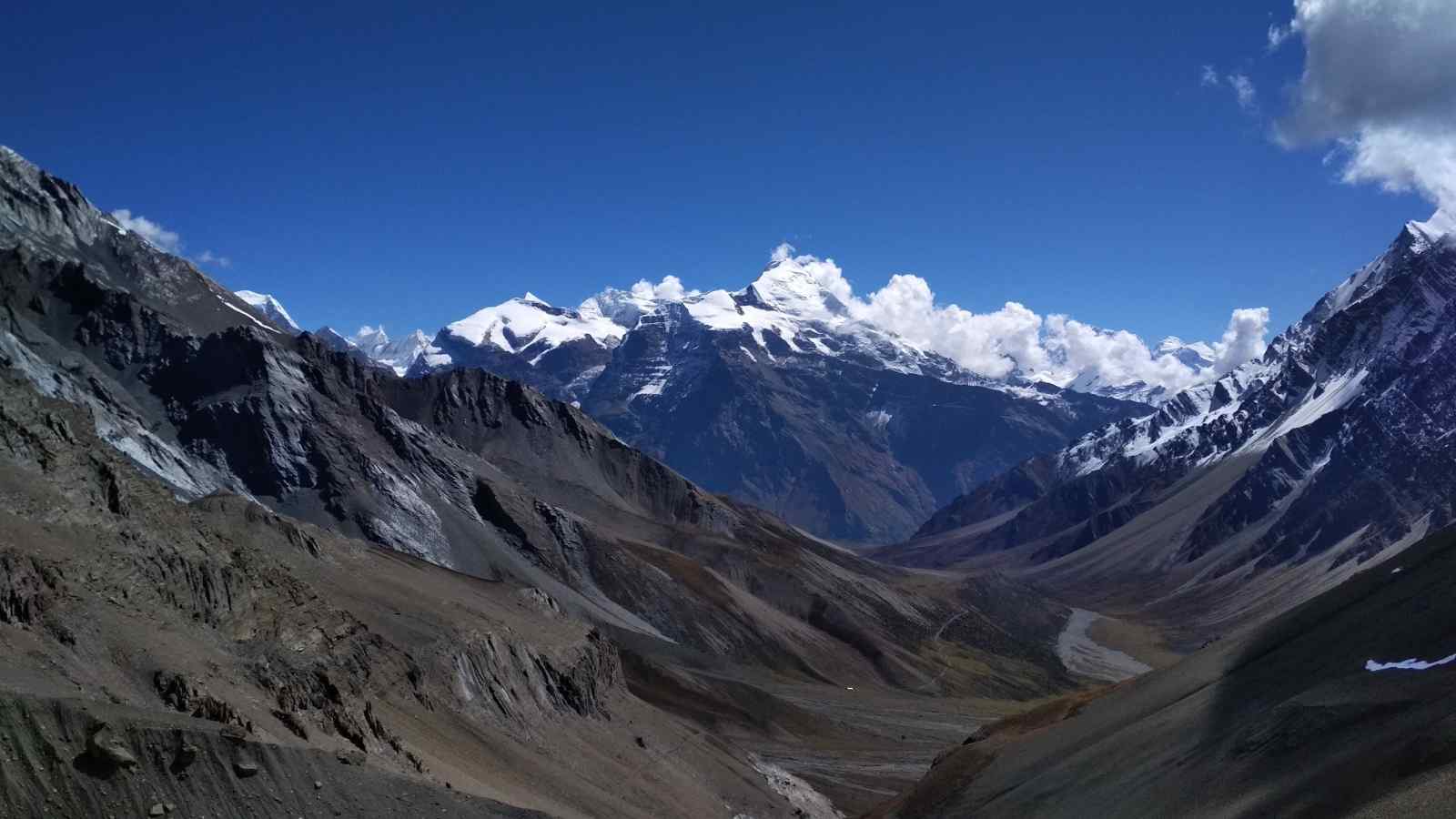
This trek enables you to go through the Kang La pass at 5,320 meters above sea level. You can have a panoramic view of snow-capped peaks such as Annapurna Massif, Gangapurna, and Tilicho Peak at Kang La pass. Although the whole trek takes 13 days from the capital city, Kathmandu, the actual trek takes only 9 days. You get to go through suspension bridges, old monasteries, stone villages, and varied mountain landscapes of the Himalaya.
The Nar and Phu valley trek by Destiny Excursion is perfect for experienced trekkers who want to experience the adventure, challenges, culture, and breathtaking scenery of Nepal’s isolated Himalayan region.
Details
Nar Phu valley trek is a scenic trek through hidden valleys and alpine terrain of the remote Annapurna region in Nepal. The isolated Nar and Phu valleys were hidden until the early 2000s and are untouched by modern development. This newly opened trek is graded as challenging and is ideal for experienced hikers with a decent fitness level. Trekkers required walking an average of 5-8 hours daily in remote Himalayan terrain above an altitude of 3000m.
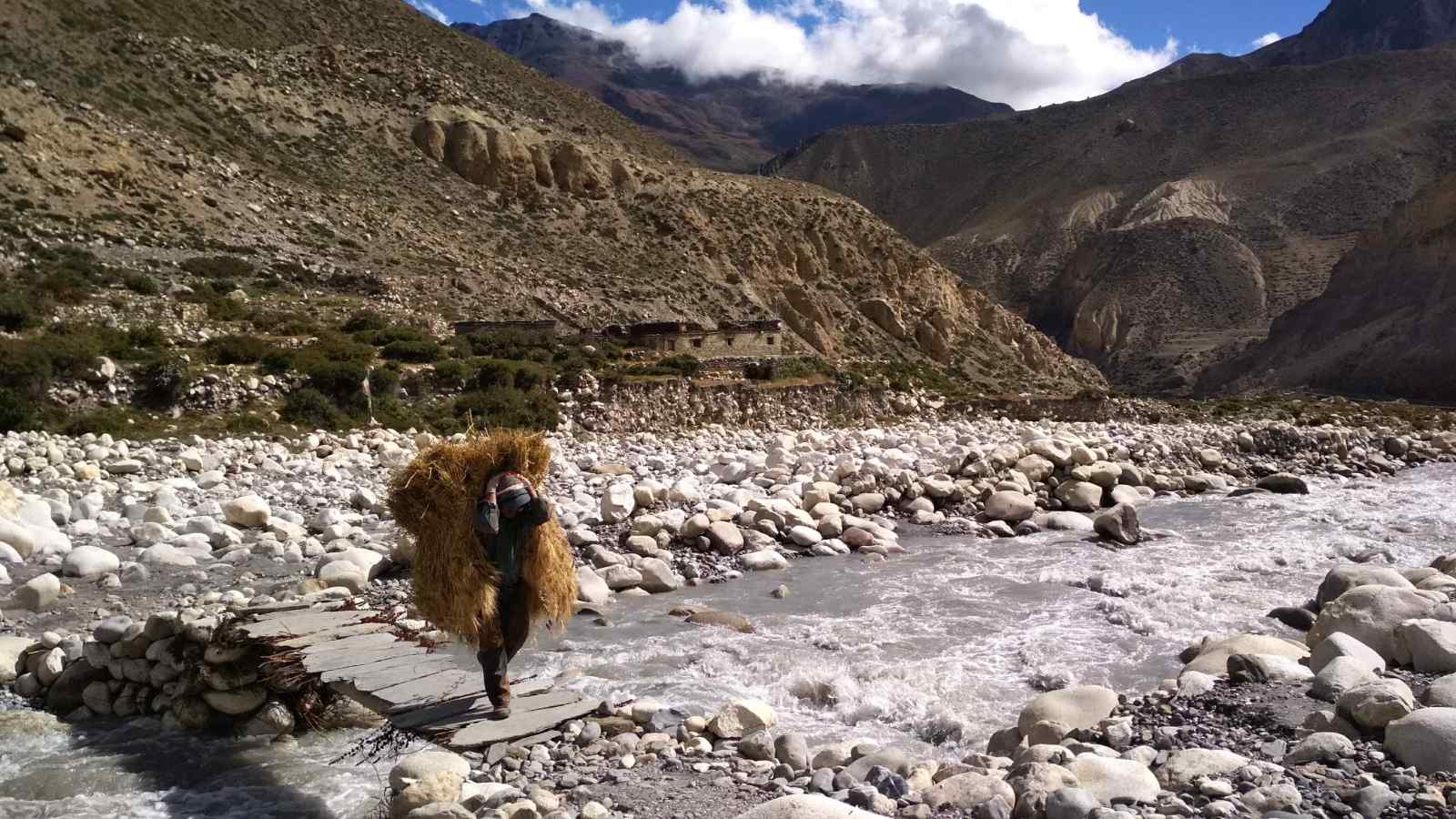
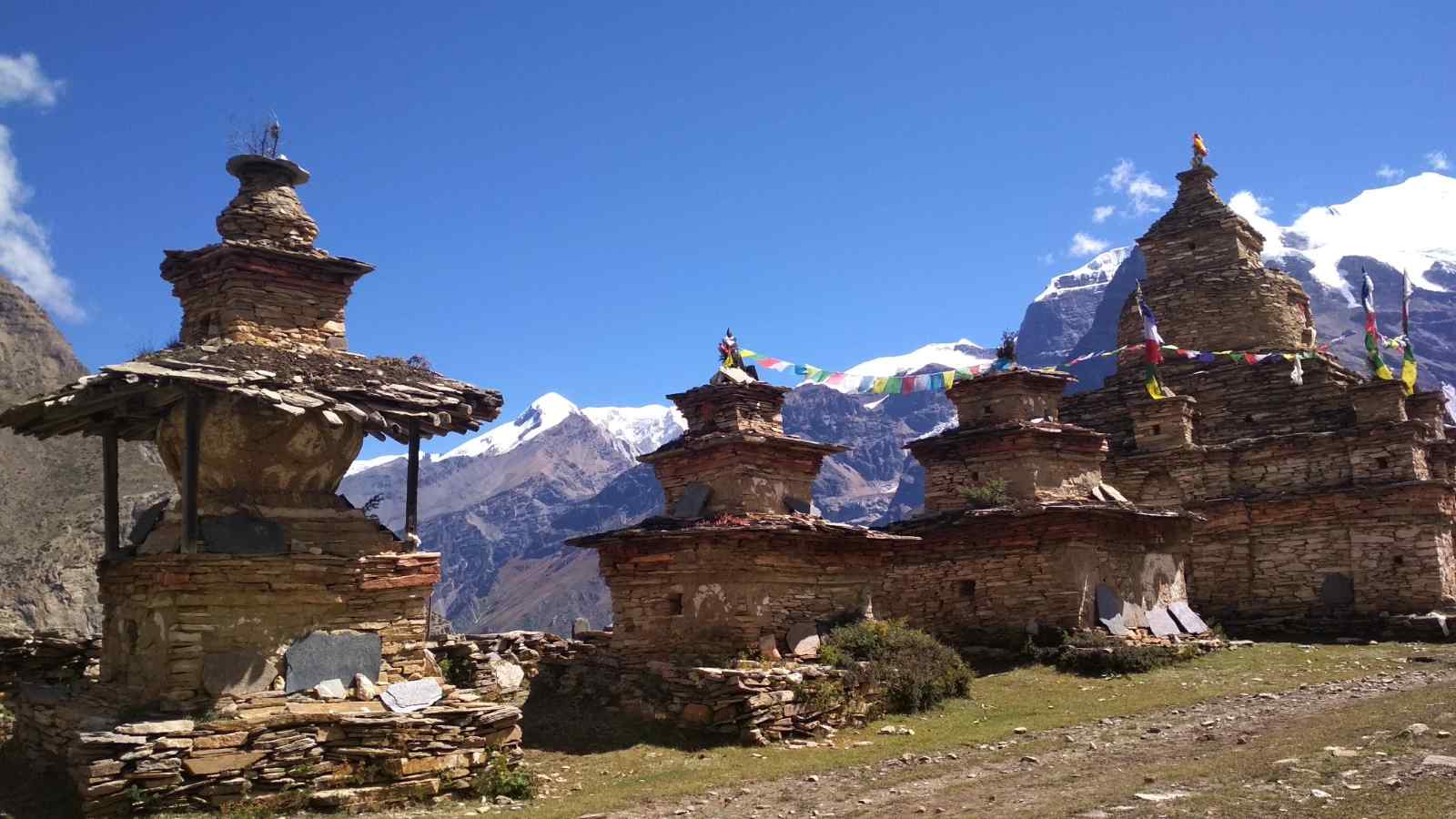
Despite difficulties, trekking in the Nar Phu valley gives an incredible experience of high-altitude trails, steep ridges, deep gorges, and a view of majestic mountains and iconic passes. You will be walking through traditional villages adorned with mani walls, prayer flags, chortens, and stupas. Also, you can visit one of the oldest and 108 world’s greatest Buddhist Monasteries, the Tashi Lakhang Monastery. Tashi Lakhang Monastery is believed to be one of the last monasteries constructed by Karmapa Rinpoche.
The best season for the Nar Phu trek is spring (March-May) and autumn (September-November) as these seasons offer clear skies, moderate temperatures, suitable weather, and a clean view of mountain peaks. This Nar and Phu valley trek by Destiny Excursion starts and ends at Kathmandu. Destiny Excursion ensures a memorable and safe trek in the remote Himalayan region by offering quality accommodation, a licensed guide, arranging required permits, and providing support needed during the journey.
Tour Highlights
- Trek through the isolated path of Nepal’s remote Himalayan wilderness
- Enjoy staying in the Monastery guest house
- Trek through challenging trekking trails
- Experience the warm hospitality of local tea houses along with trekking routes.
- Learn about the unique Himalayan culture of the Nar and Phu valley.
- Explore isolated villages and lifestyles
- Learn about Buddhist culture and communities.
- Explore Tibetan cultural villages and daily activities of the remote valley of Nepal.
- Enjoy the scenic drive from Kathmandu to Besisahar and Koto.
Points of Attraction
The Nar Phu valley is an isolated valley located in the remote Manang region of Nepal. Open to tourists since 2003, the remote valley is full of Himalayan wilderness, traditional Tibetan lifestyles and cultures, and sacred Buddhist heritage. The isolated Himalayan valley offers high-altitude desert landscapes, mystical villages, exploration of Himalayan customs and traditions, and a glimpse of stunning mountain ranges to tourists. The Nar and Phu valley treks are a perfect blend of culture, spirituality, and physical adventure in the isolated Himalayas. Some of the main points of attraction of the Nar and Phu valley Trek are as follows:
Cultural and Heritage Attractions
- Tashi Lakhang Monastery: The Tashi Lakhang Monastery is located at an altitude of 4,080m in Phu Village. It is one of the 108 great Buddhist monasteries in the world. The sacred monastery is believed to have been built by Karma Rinpoche.
- Nar Gumba (Nar Village, 4,110m): Located in Nar Village at an altitude of 4,110m, the Nar Gumba is one of the major attractions and a religious site. This sacred monastery reflects the culture and tradition of Tibetan heritage. Nar Gumba allows you to explore the daily life of monks, rituals, and prayers.
- Mani Walls, Chortens, and Kani Gates: You can spot numerous mani walls, chortens, and Tibetan entry gates or Kani gates during the trekking route of Nar and Phu valley.
Scenic and Natural Attractions
- Panoramic Views from Kang La Pass (5,320m): Get the panoramic views of snow-capped mountain ranges from Kang La Pass (5,320m), including Annapurna II, IV, Gangapurna, Tilicho Peak, and Chulu Range.
- Kangaru Himal and Pisang Peak: Witness the scenic view of Kangaru Himal (6,981m) and Pisang Peak (6,091m) during the descent from Kang La Pass to Ngawal.
- Alpine Landscapes and High-Altitude Deserts: Experience the diverse landscapes and high-altitude deserts with the gain in elevation. Walk through lush pine forest, rocky gorges, and alpine plateaus.
Adventure and Trekking Highlights
- Crossing Kang La Pass (5,320m): Cross the challenging yet adventurous Kang La Pass at an altitude of 5,320m. Engage in steep climbing and steep descents that test your endurance.
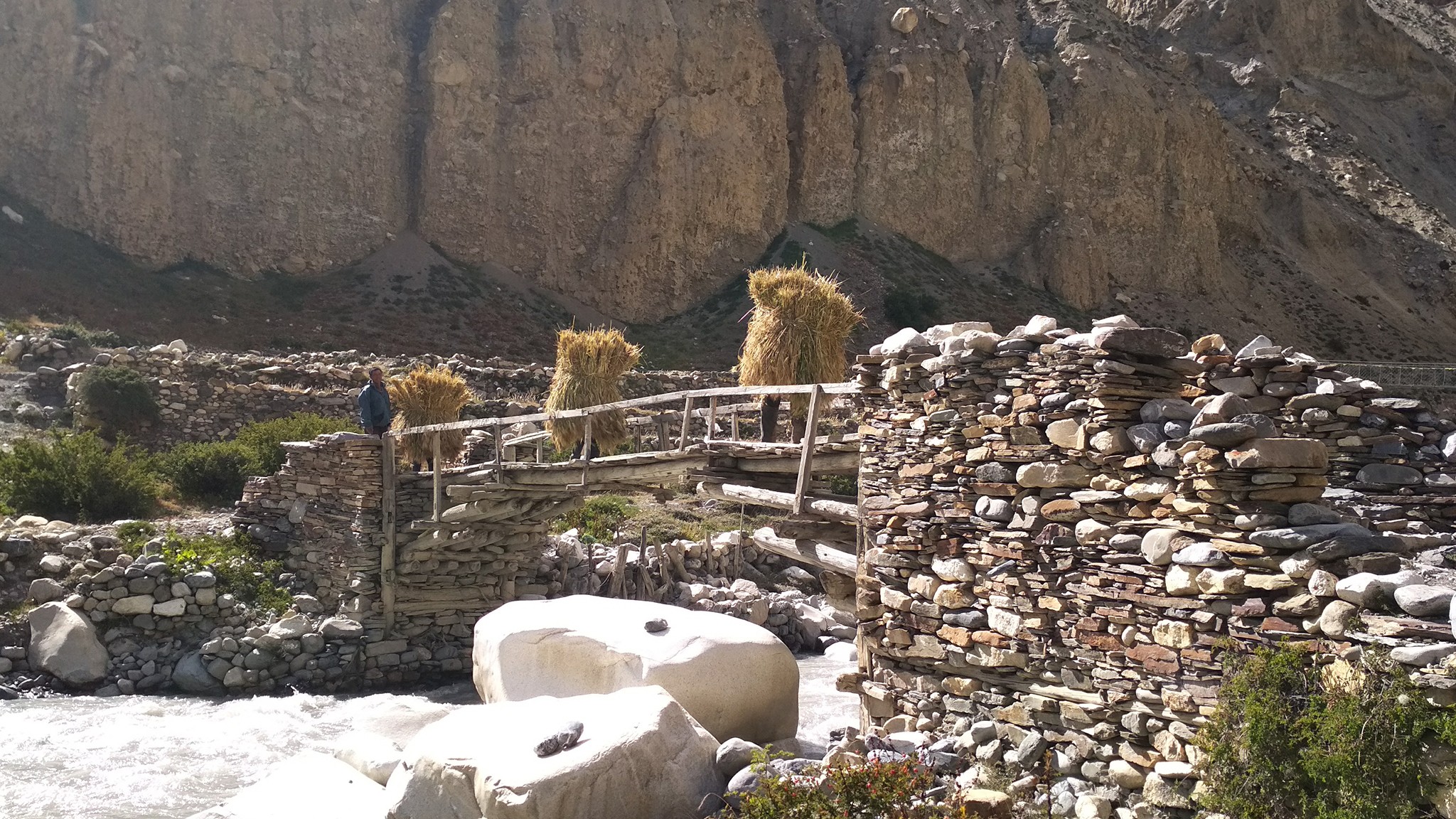
- Suspension Bridge Crossings: Experience adventurous and swinging suspension bridges over the rushing rivers in the route.
- Narrow Trails: Pass through the thrilling narrow cliffside trails carved in wild gorges, particularly on the journey from Meta to Phu village.
- Remote Trail Experience: Experience the remote and isolated trekking route that is untouched by modernization.
Stay and Experience
- Traditional Teahouses and Guest House Stay: Stay in the traditional teahouses, the Monastery guest house in Nar village, and the guesthouse in the traditional villages of Phu, Meta, and Nar Phed. Experience the authentic taste of Tibetan foods such as buckwheat, tsampa porridge, and local dal bhat.
- Ngawal Village (3,660m): Enjoy the stay at one of the developed Ngawal villages in the Annapurna region of Nepal. Explore the monasteries, farms, and rest with better amenities following your high pass adventure.
- Hotels in Kathmandu and Besisahar: Before, during, and after the trek, experience the warm hospitality of hotels in Kathmandu and Besisahar. Enjoy hot showers, modern amenities, and try delicious authentic Nepalese cuisine.
- Cultural Exploration in Kathmandu: Explore UNESCO World Heritage Sites of the Kathmandu valley, such as Swayambhunath, Pashupatinath, Boudhanath, and the royal palaces in the Valley. Shop in vibrant markets or enjoy cultural dining before or after your Himalayan journey.
Itinerary
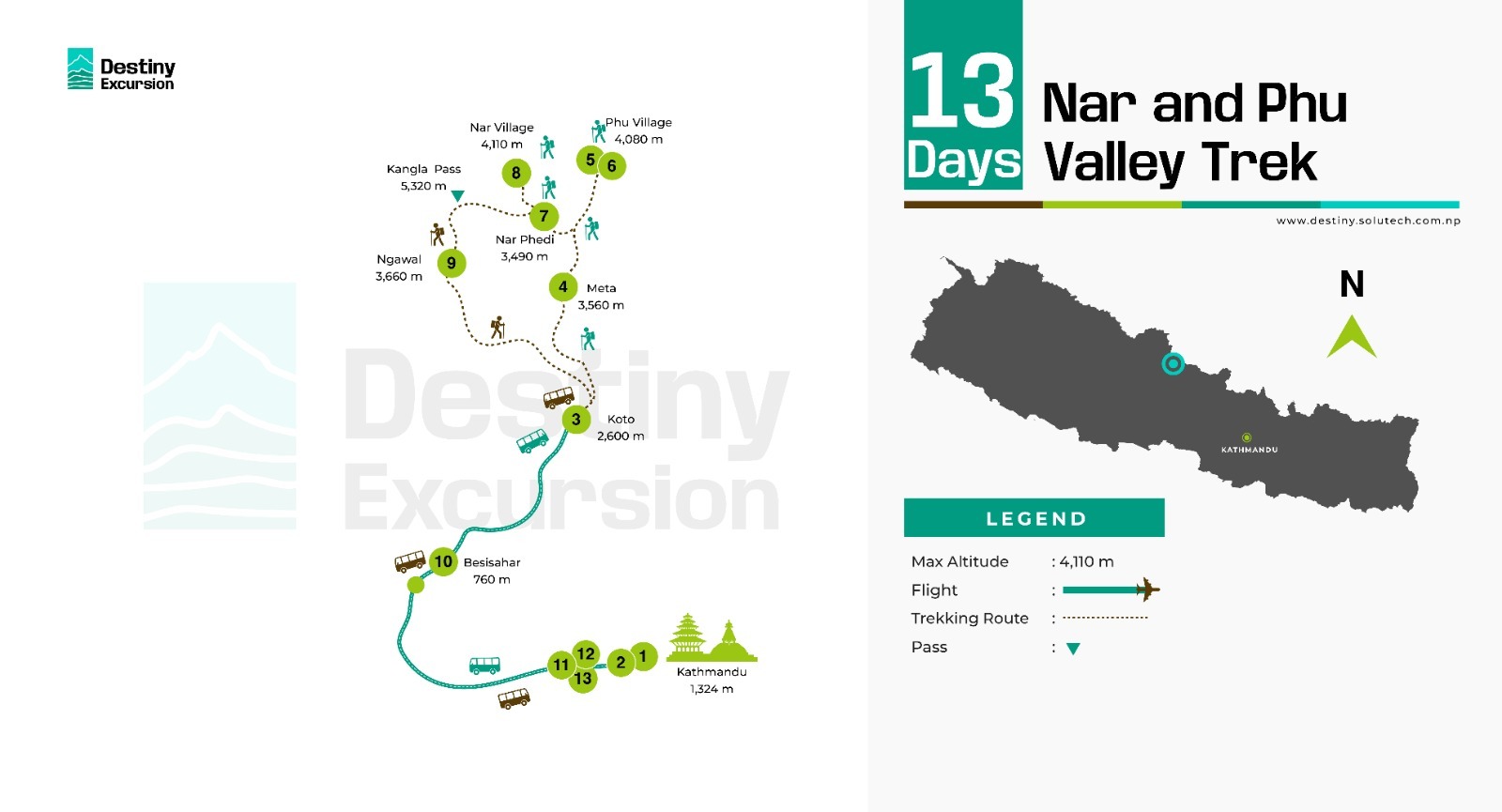
Trek Route
What's included
- A warm welcome dinner on your arrival day to introduce you to the group and guides.
- Standard hotel accommodation in city areas on a bed and breakfast basis.
- Comfortable tea house or lodge stays during the trek, offering an authentic mountain experience.
- All meals specified in the itinerary, including breakfast, lunch, and dinner during the trekking days.
- All domestic flights included in the itinerary for both trekkers and accompanying guides.
- Private ground transportation for airport pickups, drop-offs, and all scheduled transfers.
- Services of a professional trekking guide and porters, including their flights, meals, lodging, insurance, and trekking gear.
- All required trekking permits, national park passes, and conservation area entry fees.
- A first aid kit with basic medical supplies (please inform us if you require specific medications).
- Single Room Supplement – covered and distributed evenly among group members if necessary.
What's excluded
- International flights to and from Nepal, along with visa fees, airport taxes, and excess baggage costs.
- Comprehensive travel insurance covering trip cancellations, injuries, illnesses, and emergency evacuation (mandatory).
- Extra services or optional tours not listed in your itinerary.
- Personal trekking equipment, clothing, or accessories (rental options can be recommended).
- Personal expenses, such as bottled water, soft drinks, alcoholic beverages, snacks, or laundry.
- Any extra fees charged by lodges for hot showers, attached bathrooms, or device charging.
- Tips or gratuities for guides, porters, and drivers.
- Unexpected costs due to delays, strikes, weather changes, or natural disasters.
Gallery